
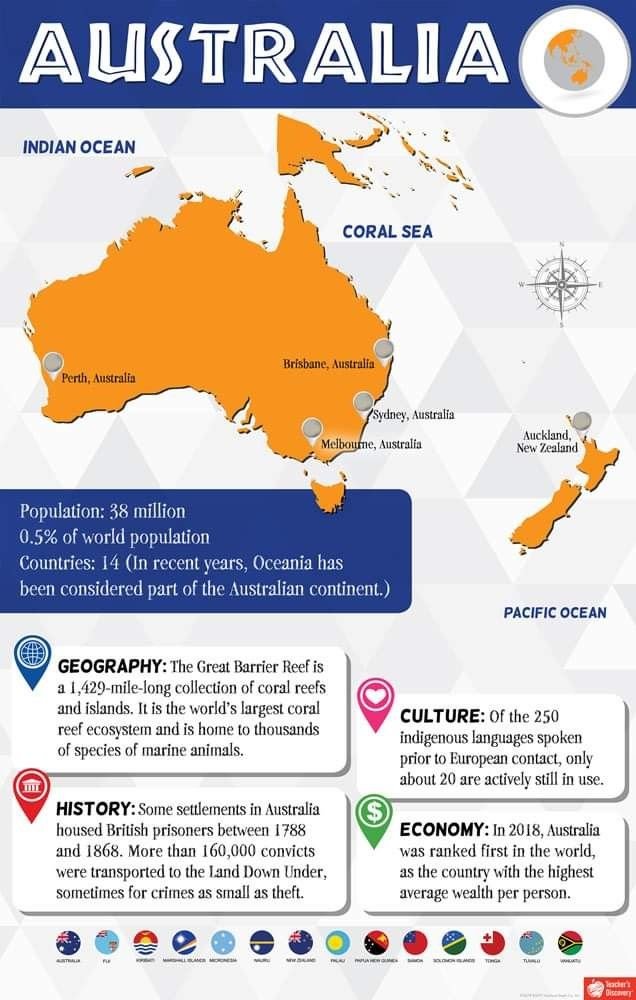
Australia’s coastline is a patchwork of hidden coves, but the most accessible ones cluster around the eastern seaboard. If you’re based in Sydney, the drive to Byron Bay takes about 6 hours, while a quick 3‑hour trip from Brisbane opens up the Whitsunday Islands. Before you pack, pull up a paper map or a GPS route and mark the exact exit points that lead to the lesser‑known beaches. This helps you avoid the usual tourist spots and keeps the journey fun.
Step 2: Find the Secret Beaches
Here are three retreats that feel like they’re on a private postcard:
- Warrumbungle Beach, New South Wales – A 12‑minute walk from the parking lot, this crescent of white sand is tucked behind a line of eucalyptus trees. The tide drops quickly, so plan to arrive before 10 am to secure a spot.
- Jervis Bay’s Booderee Bay – Accessible by a 4‑km trail from the visitor centre, the beach is framed by towering cliffs. The water stays crystal clear year-round, making it ideal for snorkelers who can spot reef sharks without the crowds.
- Red Bay, Queensland – Hidden behind a small fishing village, this beach is only reachable by a 15‑minute boat ride from the mainland. The sand is a warm, reddish hue, and the waves are perfect for a quiet surf session.
Step 3: Pack Essentials That Match the Terrain
Don’t just grab a towel and sunscreen. For these secluded spots, bring a lightweight rain jacket, a reusable water bottle, and a portable charger. The nearest shops are often a 30‑minute drive away, so a full day’s worth of snacks and a first‑aid kit are a must.
Step 4: Respect the Environment and Local Rules
Many hidden beaches fall under state park regulations. In Warrumbungle, for instance, you’re required to leave no trace, which means packing out every piece of trash. Jervis Bay has a strict no‑camping policy, so bring a folding chair instead of a tent. The Red Bay community hosts a weekly clean‑up; joining them can earn you a local guide who knows the best tide times.
Step 5: Capture the Moment, Not the Crowd
Because these beaches are off the beaten path, you’re likely to encounter fewer tourists. Take advantage of the quiet to photograph the sunrise over the water or the way the light hits the sand at noon. If you’re a social media enthusiast, schedule a post for 8 am the next day—your followers will appreciate the authenticity.
Common Mistake: Over‑Planning Your Itinerary
Many travelers try to squeeze every beach into one weekend. Instead, choose one region and explore it fully. Over‑planning leads to rushed visits and missed opportunities to sit on a rock and listen to the waves.
While you’re planning your next escape, you might also want to explore online entertainment options that let you unwind from the sun. https://findaccessibleresorts.com offers a variety of virtual experiences that can complement a beach day with a touch of gaming excitement.
Step 6: Return with a Fresh Perspective
When you drive back, you’ll notice that the journey itself has become part of the adventure. The winding roads, the occasional roadside café, and the sight of the coastline receding are all memories that stay with you long after the sand has dried.
Closing Thoughts
Australia’s hidden beaches are not just places to relax; they’re invitations to discover a side of the country that most tourists overlook. By choosing the right region, respecting local rules, and packing smartly, you can turn a simple weekend into a memorable exploration. The next time you crave a break from the city, remember that a few hours on the road can lead to a secret shore that feels like a private paradise.
Frequently Asked Questions
Why should I use a paper map for my beach trip?
Paper maps let you mark exact exit points to less‑known beaches, helping you bypass crowded tourist spots.
How long does it take to drive from Sydney to Byron Bay?
Approximately 6 hours, depending on traffic and chosen route.